Where Plant Protein Lives
Plant protein is easy to find once you know where it concentrates: legumes, soy foods, nuts, seeds, and a handful of whole grains. The harder question is how to cook each one so it holds the center of the plate instead of sitting at the edge. This guide covers both — where the protein lives, and the technique that turns it into dinner.
Lentils and split peas
Lentils are among the richest plant sources of protein, and they are the fastest legume in the kitchen: no soaking, and most varieties cook in under half an hour. Which lentil you buy decides what kind of meal you get.
- Red and yellow lentils break down as they cook, and that collapse is the point. They become dal, thick soups, and pasta sauces with real body. Simmer with onion, garlic, and spices; finish with lemon.
- Green and brown lentils hold their shape. Cook them like pasta in well-salted water, drain, and dress while warm — they take a vinaigrette the way potatoes do.
- French and black lentils stay firmest of all, which makes them the salad lentils.
Split peas behave like red lentils with more patience required: they want a longer simmer, and they turn into the thickest soup in this guide.
The move that makes any of these taste finished is sizzled spice oil — bloom cumin, mustard seed, or chili flakes in hot oil and spoon it over the top at the end.
Beans and chickpeas
Canned beans are legitimate. Rinse them and spend the time you saved on seasoning, because beans take on flavor best while they are warm.
- Chickpeas are the most versatile of the family. Roast them at high heat until crisp for bowls and salads, simmer them in tomato and spices for a stew, or blend them into hummus.
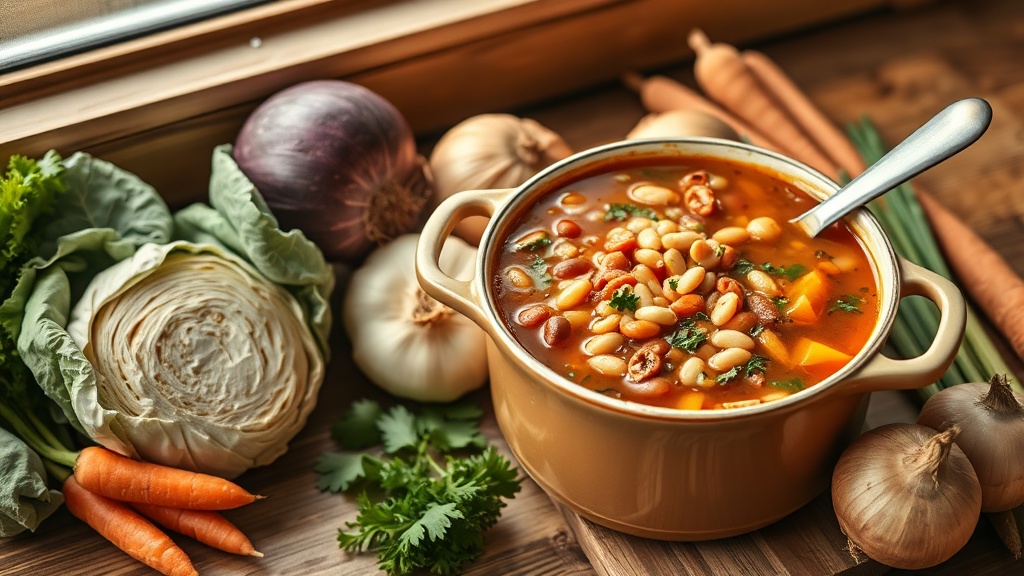
- White beans mash into a creamy base for toast, or fold into a pot of garlicky greens and broth.
- Black beans and pintos want cumin, lime, and something with heat. They carry tacos, burrito bowls, and chili on their own.
If you cook dried beans, do it once for the week: one big, well-salted pot, then freeze them in portions in their own liquid.
Tofu, tempeh, and edamame
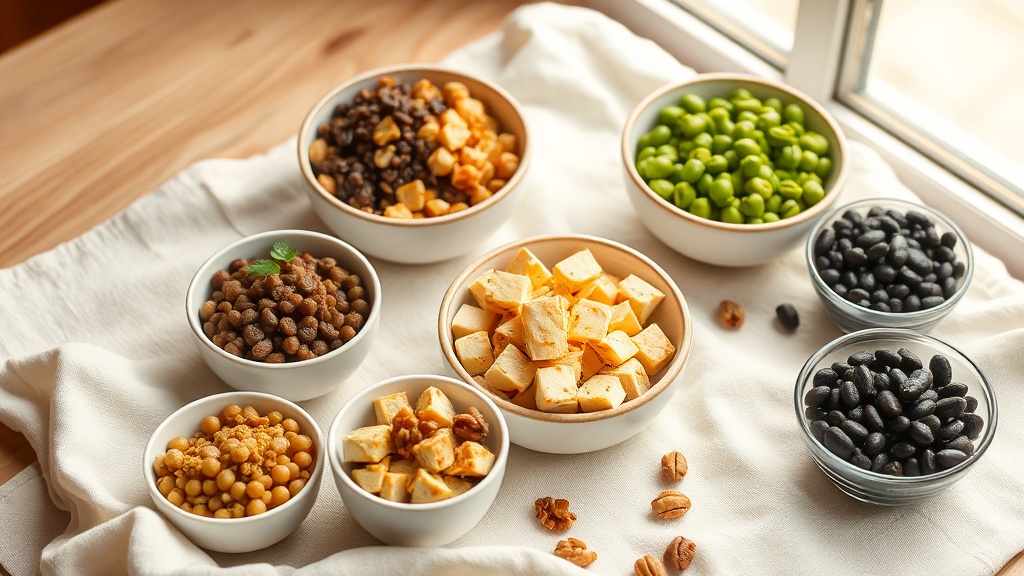
Soy foods are among the most concentrated plant proteins in the store, and the three main forms behave nothing alike.
- Extra-firm tofu is for searing and baking. Press it briefly, tear it into ragged pieces, toss with cornstarch and oil, and give it real heat. Let it sit in the pan until it releases on its own — that is where the crust comes from.
- Silken tofu is not a lesser version of firm; it is a different ingredient. Blend it into dressings and sauces, or slide it into brothy soups.
- Tempeh is fermented soybeans pressed into a dense, nutty cake. Steam it for ten minutes first — it takes marinade far better afterward — then sear slices or crumble it into a pan sauce.
- Edamame is the shortcut: frozen, ready in five minutes, and at home in grain bowls, salads, and fried rice.
Nuts and seeds
Nuts and seeds rarely anchor a meal alone, but they finish one.
- Peanuts and almonds are among the more protein-rich nuts. Toast them in a dry pan and they earn a place on almost anything.
- Tahini and peanut butter become sauces in about a minute — tahini thinned with lemon and water, peanut butter with soy sauce, lime, and a little maple.
- Hemp, pumpkin, and sunflower seeds are the finishing layer for oatmeal, salads, soups, and bowls.
Whole grains
Grains are the base layer, and some pull more weight than others. Quinoa stands out among grains for its protein content; farro, buckwheat, oats, and wild rice are all sturdier choices than white rice. Cook any of them in stock instead of water and season the pot properly, and they stop tasting like an obligation.
The old pairings — dal with rice, hummus with flatbread, beans with corn tortillas — survive because they eat well: soft against chewy, rich against plain. Build the plate that way, one legume or soy food plus one grain plus something crisp, and it holds together as a meal rather than a collection of sides.
Making it a week instead of a dish
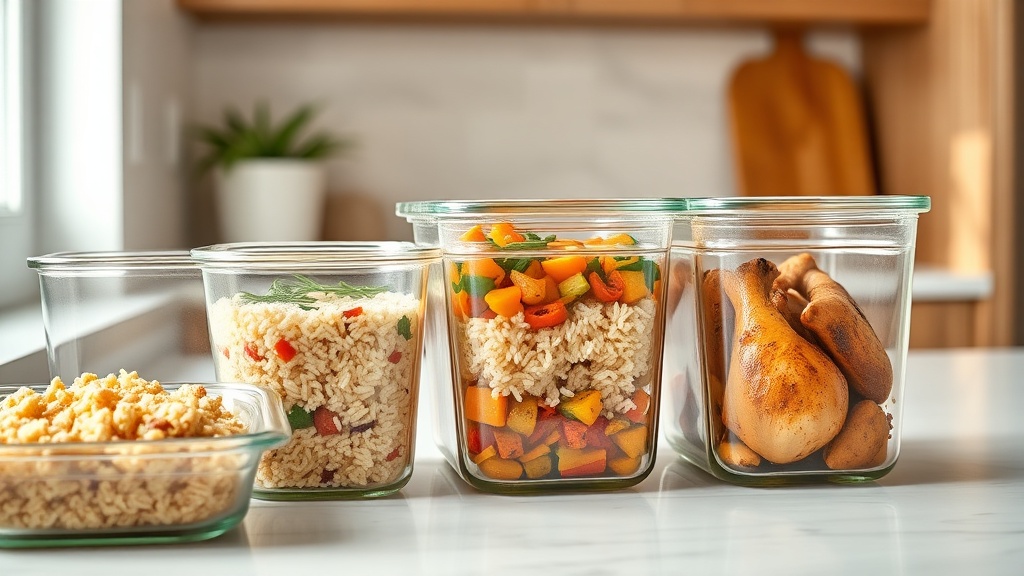
One plant-forward dinner is a recipe problem; a week of them is a planning problem, and planning is the easier of the two. Batch the slow parts on the weekend — a pot of beans, a pot of grains — and the weeknight work drops to assembly. Our recipes mark the plant-based options, the plant-based page collects that whole way of eating in one place, and our weekly plans arrange it into a full week with a grocery list. There are free plans if you would rather see the format first.