The working pantry~20 staples that make weeknights faster
A working pantry is the difference between "there's nothing in the house" and dinner in twenty minutes. This guide covers roughly twenty staples that earn a permanent place on the shelf, what each one actually does on a weeknight, and a calm way to build the collection a few items at a time.
What makes a staple a staple
Every item here passes three tests: it appears in many different dishes, it keeps for months without attention, and cooking is noticeably harder without it. That is the whole standard — not gourmet ambition, just usefulness per inch of shelf.
The payoff is the shape of your shopping. With the backbone always in the house, the weekly list shrinks to fresh things — vegetables, protein, fruit, dairy — which is exactly how the grocery lists in our weekly plans are built. The pantry does the remembering, so the list stays short.
Oils, acids, and the seasoning shelf
- Olive oil — the default for nearly everything: roasting, dressings, finishing. One good everyday bottle beats a shelf of specialty ones.
- A neutral oil — canola or avocado, for high-heat searing and any dish where olive oil's flavor would argue with the seasoning.
- Red wine vinegar — sharpens a dressing and wakes up a pot of beans or lentils. The fastest fix for a dish that tastes flat.
- Rice vinegar — gentler and slightly sweet; the base of quick pickles and most weeknight slaws.
- Tamari or soy sauce — instant depth in stir-fries, marinades, and dressings. Tamari is typically brewed without wheat — check the label if that matters for how you cook.
- Kosher salt and whole black pepper — pre-ground pepper fades quickly; a grinder earns its counter space.
- A four-spice shortlist — ground cumin, smoked paprika, chili flakes, dried oregano. Between them they cover most weeknight cooking, from tacos to traybakes.
Cans and jars
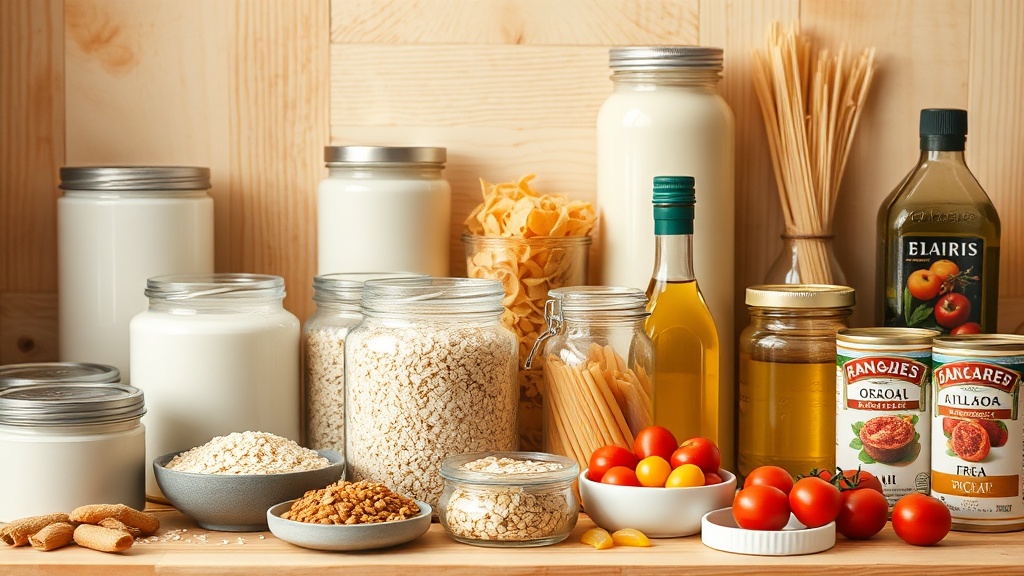
- Canned tomatoes — the start of pasta sauce, shakshuka, chili, and half the soups worth making. Whole peeled tomatoes are the most flexible form.
- Canned beans and chickpeas — the weeknight shortcut: drained and rinsed, they go straight into salads, soups, and traybakes with no lead time.
- Coconut milk — the base of a curry and the easy route to a creamy soup without opening the dairy drawer.
- Stock, or bouillon concentrate — the difference between boiled vegetables and actual soup. Concentrate does the same job in a tenth of the space.
- Canned fish — tuna, sardines, anchovies. Seafood that keeps for ages; anchovies in particular dissolve into a pasta sauce as seasoning rather than fish.
- Peanut butter or tahini — as much a sauce base as a spread: noodle dressings, dips, and quick sauces for roasted vegetables.
- Olives or capers — one small, salty jar that finishes pastas, salads, and traybakes.
Dry goods and the vegetable basket
- Rice — the blank canvas under stir-fries, curries, and bowls. One everyday variety is enough to start.
- Pasta — keep one long shape and one short, and a bare cupboard is still twenty minutes from dinner.
- Red lentils — cook straight from the bag with no soaking; the fastest route from a bare shelf to a thick soup or a pot of dal.
- Oats — breakfast, obviously, but also the binder in meatballs and veggie burgers.
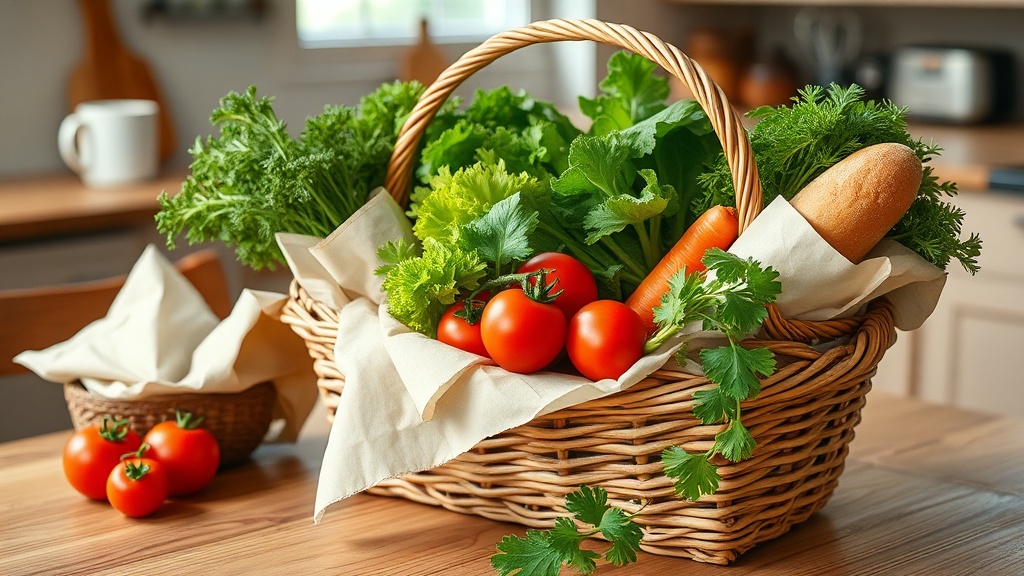
- Onions and garlic — technically the countertop rather than the shelf, but nearly every savory dish in our recipes collection starts with one or both.
The freezer is pantry too
The freezer holds the staples that stand in for fresh:
- Frozen vegetables — peas, spinach, green beans, corn. Frozen soon after picking, ready in minutes, and immune to the slow wilt that claims the crisper drawer.
- Frozen fish fillets — usually cheaper than the fresh counter and often frozen shortly after catch. Move one to the fridge in the morning and dinner is a traybake away.
Then add what you bank yourself: stock from a chicken carcass, bread heels for crumbs, cooked beans in portions, herbs chopped into an ice-cube tray under oil.
A starter shopping approach
Do not buy all twenty in one trip. Tie the buildup to actual cooking instead: each week, choose your meals, then add the two or three missing staples to that week's list. Within a month the shelf is complete, and every item on it has already been used at least once — which is the real test of a staple.
Two habits keep the system running. Buy modest sizes first and upgrade only what empties quickly. And restock on opening, not on running out: when the last can of tomatoes is opened, tomatoes go on the list, so the shelf never actually reaches empty.
The same backbone serves nearly every eating pattern in our ways of eating section — the fresh half of the cart changes week to week, but the shelf mostly does not. That is the point: twenty quiet items, bought a few at a time, and the hardest part of a weeknight is already done before you get home.