Eating well on a budgetthe list-first method
Most advice about cooking on a budget starts with recipes and hopes the ingredients cooperate. This guide works in the other direction: start from what is reliably cheap this week, write the list first, and let the meals follow. The result is a week that costs less without feeling like one long compromise.
Plan from the store, not the cookbook
The usual order runs: choose meals, write the list, shop, wince at the total. List-first reverses it. Before planning anything, look at two things — the short list of foods that are dependably inexpensive all year, and whatever your store has marked down this week. Most chains publish the weekly flyer online or in their app; skimming it takes three minutes.
From those two sources, pick your anchors: two or three ingredients the week gets built around. A whole chicken and a head of cabbage. A bag of lentils and whatever root vegetables look good. Then, and only then, choose the meals — searching by ingredient rather than by craving. Our recipes are tagged so you can browse them exactly this way.
The shift sounds minor. In practice it changes the arithmetic of the whole week, because you stop paying whatever a recipe happens to demand. The recipe adapts to the price instead of the other way around.
The dependable cheap list
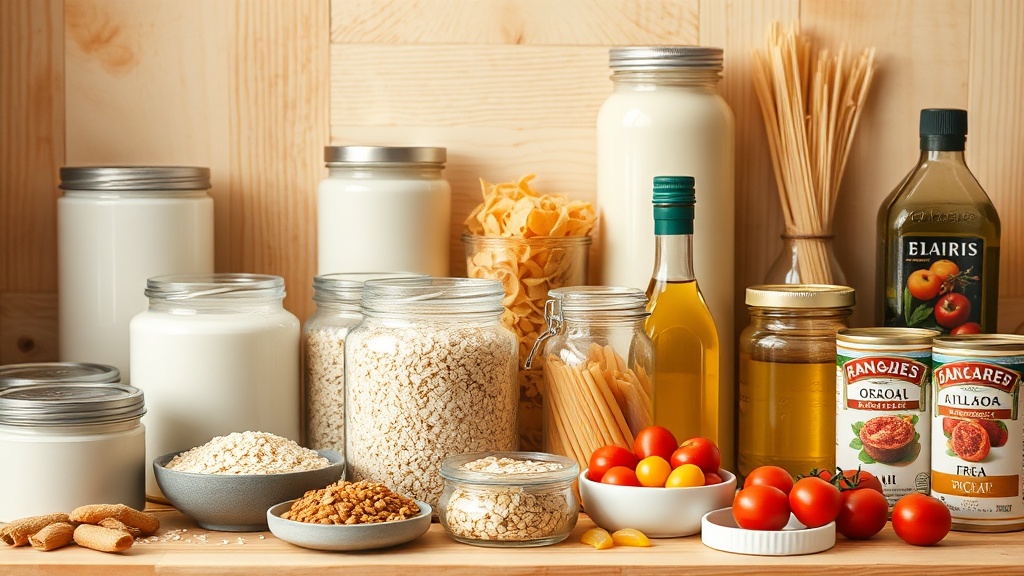
Prices drift, but a handful of foods are inexpensive in almost every store, almost every week. These are the anchors worth knowing cold:
- Eggs — one of the least expensive proteins in the store and the fastest to cook. A frittata turns vegetable odds and ends into dinner in fifteen minutes.
- Beans, chickpeas, and lentils — dried or canned, and typically the cheapest protein in the store. Red lentils cook straight from the bag with no soaking.
- A whole chicken — usually cheaper per pound than the same bird sold as parts, and it stretches further than any single package of breasts.
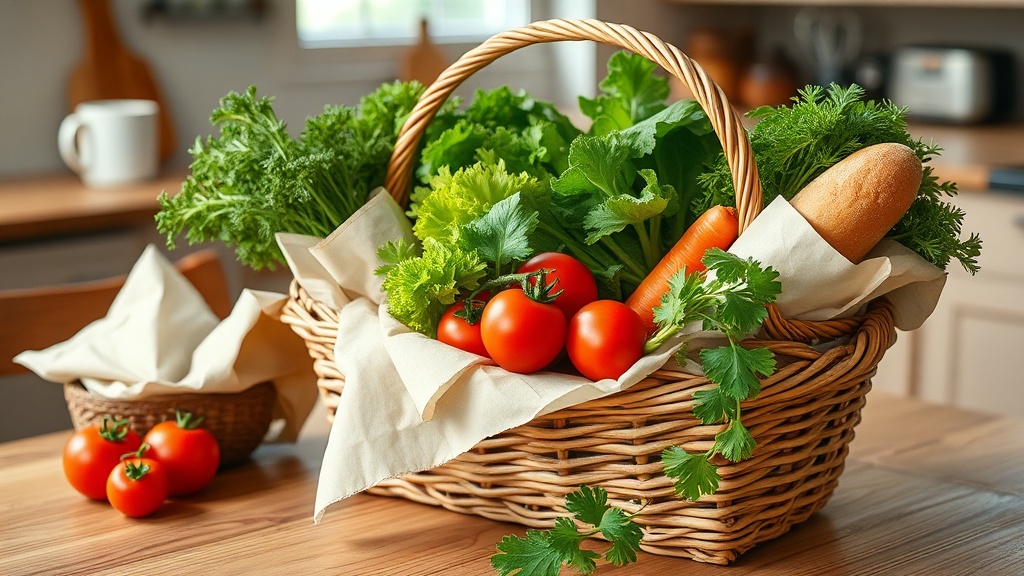
- Cabbage — keeps for weeks in the fridge and works raw, braised, roasted, or in soup. One head covers several meals.
- Root vegetables — carrots, potatoes, onions, beets. Sturdy, cheap, and content to roast in a low oven while you do something else.
- Frozen fish — usually well under the fresh-counter price, and fillets are often frozen soon after catch, which is why the quality holds up.
- Rice and oats — the quiet base layer of the week: bought once, drawn on daily.
Add whatever produce is in season. Abundance and discounts tend to travel together.
Batch the expensive protein across two meals
Protein is usually the most expensive line in the cart, so it is where the method concentrates. The rule is simple: the priciest item in the cart never appears in only one meal.
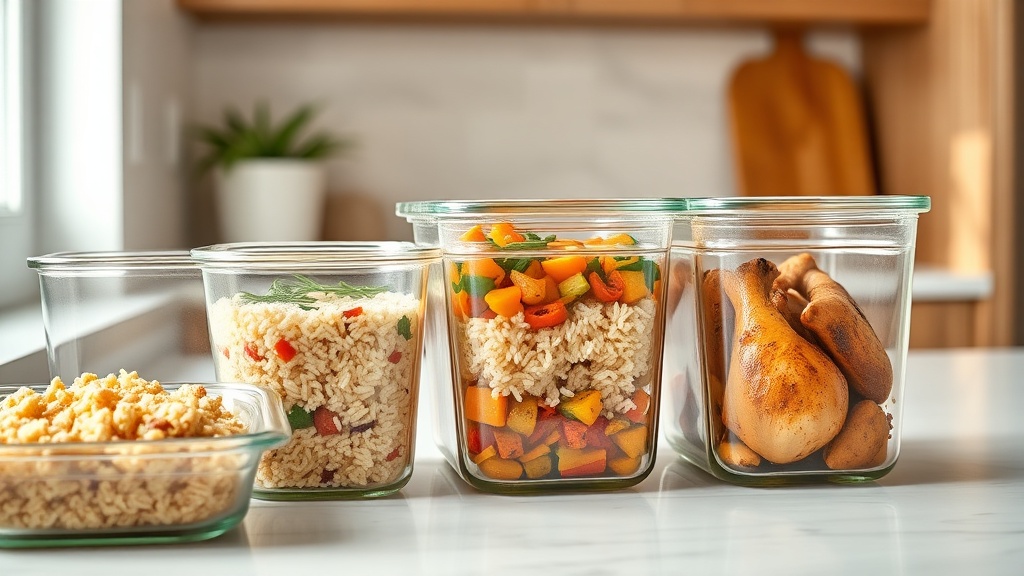
The whole chicken is the classic case. Roast it early in the week — dinner one. Pull the remaining meat for tacos, fried rice, or a big salad — dinner two. Simmer the carcass with an onion and the carrot ends, and you have stock, the base of a soup later on. One bird, three appearances.
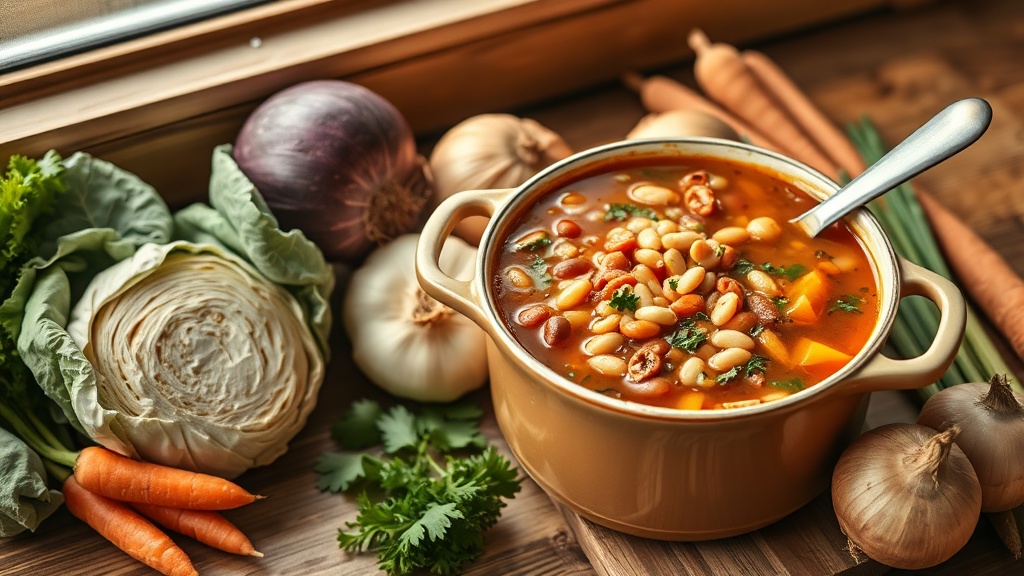
The pattern transfers. A pork shoulder braised on Sunday becomes sandwiches on Wednesday. A pack of frozen fillets splits between a traybake and fish cakes. A pot of beans cooked once shows up in a chili, then a soup. Cook the expensive thing once; serve it twice.
The method is also indifferent to how you eat. A keto week simply anchors on eggs, frozen fish, and cabbage instead of rice and beans — the mechanics stay identical.
Waste nothing — arithmetic, not virtue
Food thrown away is money spent on nothing, which makes waste the quietest leak in a grocery budget. Closing it takes no heroics, just a few standing habits:
- One clear-the-fridge meal a week. Frittata, fried rice, soup, and quesadillas absorb almost anything.
- An eat-first shelf in the fridge. Anything approaching its limit moves there, and you glance at it before cooking.
- Freeze what stalls: bread, stock, cooked beans, herbs chopped into an ice-cube tray and covered with oil.
- Favor vegetables that forgive a busy week. Cabbage and roots wait patiently; delicate greens do not.
None of this is about discipline. It is about buying food once and eating it once — which is the whole game.
Write the week down once
The method only pays if the plan physically exists, and a scrap of paper on the fridge is enough: five dinners, the two or three anchors, the list. Ten minutes on the weekend, and the nightly what-are-we-eating question is already answered.
If you would rather start from a finished page, our weekly plans do the arranging and the grocery list for you, and the free plans are a no-cost way to run the format for a week before deciding anything.