Meal prep for beginnersthe one-hour Sunday system
Most meal prep advice assumes a Sunday you don't have: four hours, a sink full of containers, and a fridge styled for a photo. This is the smaller, honest version — one hour, two batch dishes, a box of washed vegetables, and one jar of dressing. It won't cover every meal of the week, and that's exactly why it works more than once.
Why two dishes beat twenty-one boxes
The all-week version has a predictable arc. Sunday feels productive, Wednesday's food tastes like Sunday's, and by the following weekend the whole project feels like a job you'd rather quit.
A one-hour prep has a different goal: remove the two or three decision points where a weeknight actually goes sideways. Dinner at 6:30 with nothing started. Lunch with nothing to grab. That's what the two dishes are for. Everything else — breakfast, snacks, the meal you eat out — stays flexible on purpose.
The measure of a prep system isn't how the fridge looks on Sunday night. It's whether you do it again next Sunday.
What to batch
Two dishes, chosen for how they hold, not how they photograph:
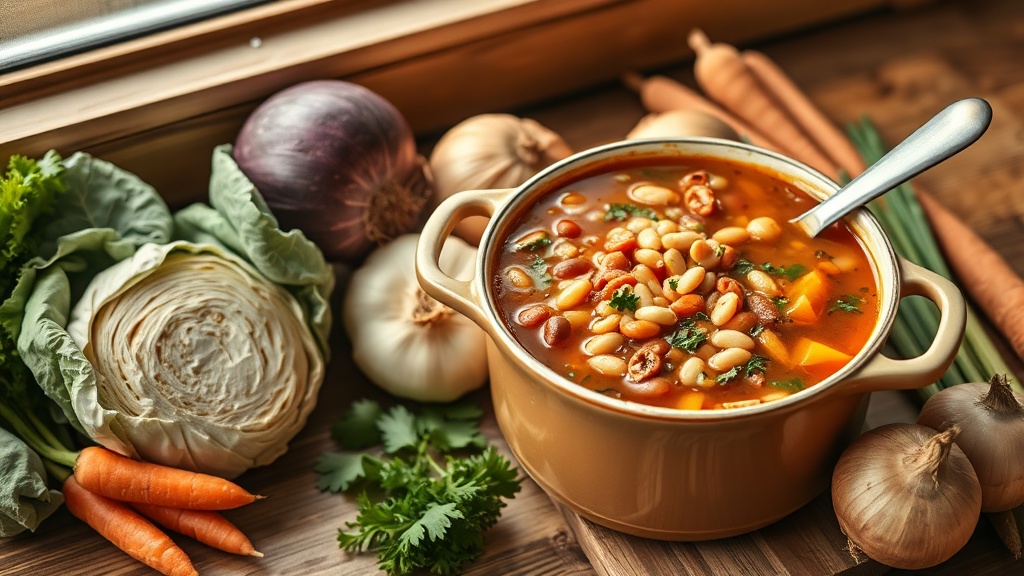
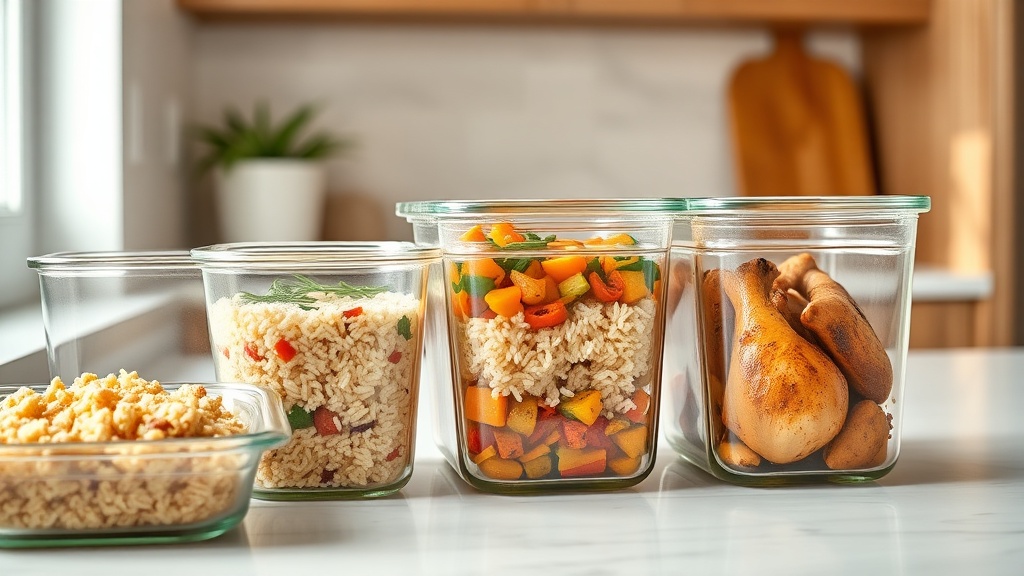
- One protein-forward dish that reheats well: a chili, a curry, a tray of chicken thighs, a pot of lentil soup, meatballs in sauce. Saucy and braised things taste the same or better on day three.
- One base: a pot of rice or grains, or a sheet pan of roasted vegetables — sweet potatoes, carrots, cauliflower. Something that turns the protein dish into a plate.
Then two supporting players that take about ten minutes combined:
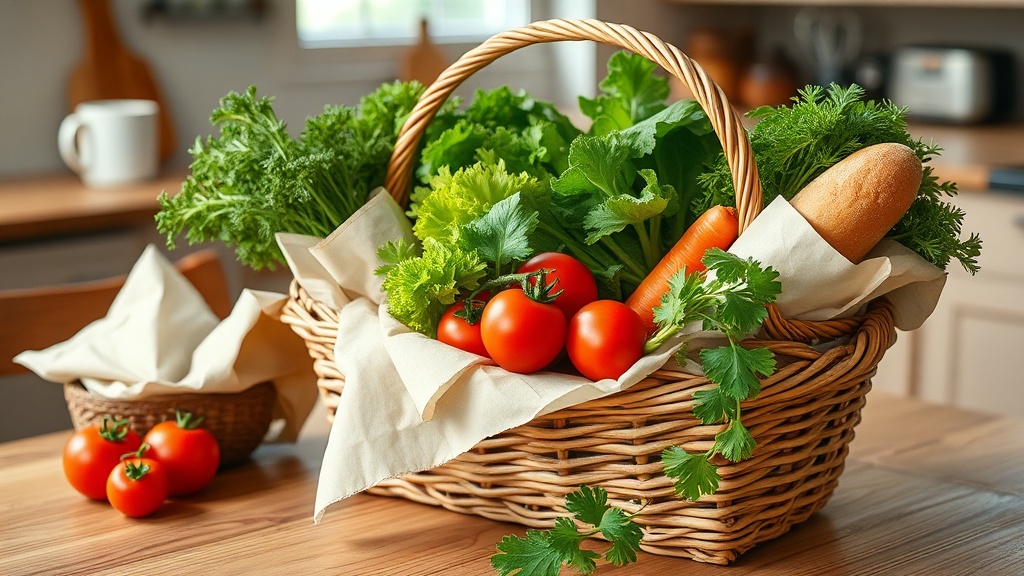
- Washed, cut vegetables, stored raw: cucumbers, peppers, celery, halved cherry tomatoes, sturdy lettuce. Raw and ready gets eaten; raw and unwashed gets composted.
- One dressing or sauce in a jar: a vinaigrette, a yogurt-herb sauce, a peanut sauce. One good dressing makes five different plates taste deliberate.
Our recipes carry a batch tag for exactly this reason — it marks the dishes written to be cooked once and eaten across several days.
Containers: boring and matching
- Four to six glass containers with locking lids, in two sizes. Glass shows you what's inside, goes from fridge to microwave, and doesn't hold smells.
- Two or three quart-size deli containers for rice, soup, and anything pourable.
- One large container lined with a paper towel for the washed vegetables — the towel catches the moisture that would otherwise soften them.
- One jar with a real lid for the dressing, so you can shake it.
Skip the thirty-piece set. Mismatched lids are the quiet reason prep systems get abandoned in month two.
The hour, in order
The sequence matters more than speed. The longest cooking time starts first, and knife work fills the gaps.
- Minutes 0–10: heat the oven and get the protein dish started — tray into the oven, or pot onto the stove. Start the rice or grains.
- Minutes 10–35: while those cook, do all the knife work. Wash and cut the vegetables, line their container, portion them in.
- Minutes 35–45: make the dressing in its jar. Then wipe the counters and wash the knife and boards — cleanup inside the hour is part of the hour.
- Minutes 45–60: pull the cooked dishes, let them cool briefly with lids off, then portion into containers. Lids on once the steam stops. Into the fridge.
One oven, one burner, one cutting board. If a recipe needs more hardware than that, it's a weekend cooking project, not Sunday prep.
What not to prep
Some things get worse faster than they save time:
- Dressed salads. Store greens and dressing apart; combine at the meal.
- Cut avocado, apples, and pears. Cut them when you eat them.
- Anything crisp or breaded — the coating softens in a sealed container.
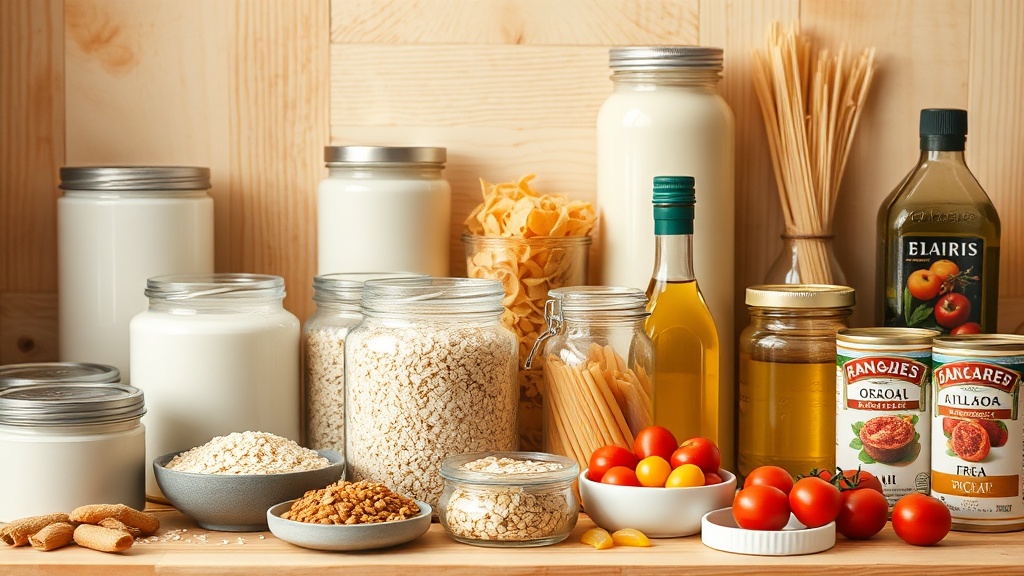
- Plain cooked pasta. It clumps. If pasta is on the week's menu, cook it the night you eat it; it takes ten minutes.
- Meals you're only lukewarm about. Prepping food you don't really want to eat just schedules the moment you throw it out.
Making it a system
The hour gets shorter every week, because the decisions are already made. If deciding what to cook is the part that stalls you, that's the job our weekly plans do — each one arranges real recipes into a week and derives the grocery list from them, so Sunday starts with a list instead of a question. There are also free plans if you'd rather try the format first.
Two dishes, washed vegetables, one dressing. Next Sunday, again.