How to write a grocery list that survives the store
A grocery list fails in one of two places: at home, where it gets written from memory instead of from recipes, or in the store, where it's ordered in whatever sequence things came to mind. Both problems have small fixes, and together they take about two minutes. This is the whole method.
Check the pantry before you write anything
The easiest item to strike from a list is the one already in your cabinet. Before writing a word, walk the week's recipes against five places:
- The oils and vinegars shelf — olive oil, soy sauce, the vinegar for a dressing.
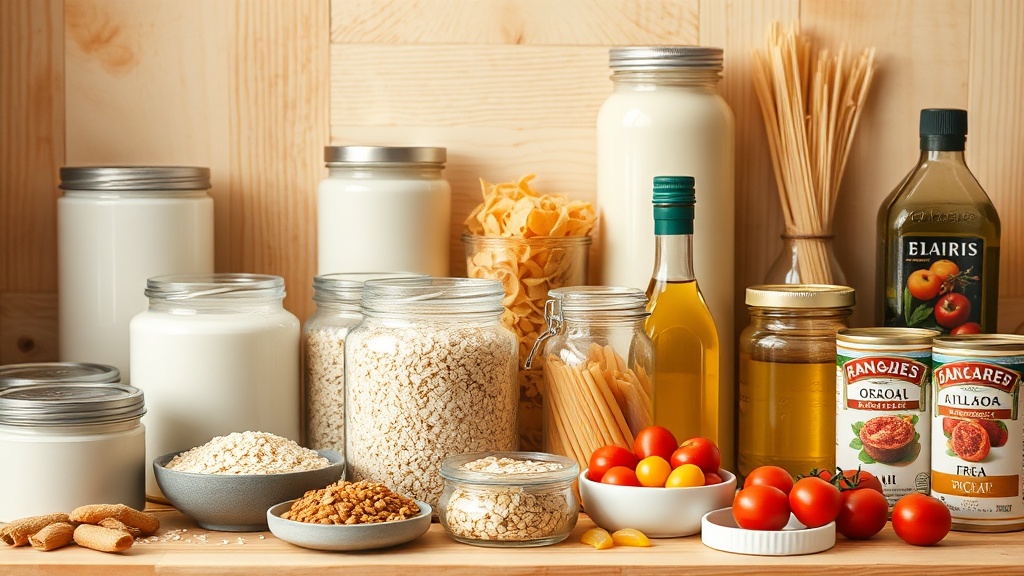
- The grain shelf — rice, oats, pasta, flour.
- The cans — tomatoes, beans, coconut milk, broth.
- The spice rack — a recipe may call for cumin; you may already own three jars of it.
- The freezer — the chicken you froze two weeks ago counts as bought.
This is also where cooking within a pattern changes the job. If your week follows a way of eating like keto, the specialty staples — almond flour, particular oils — run out quietly, and the pantry check is what catches them.
Quantities come from recipes, not vibes
"Chicken" is not a list item. "2 lb chicken thighs — Tuesday and Thursday dinner" is. The difference decides whether you come home with the right amount, and it only exists when the list is derived from the actual recipes you plan to cook.
So the order of operations is fixed: pick the week's recipes first, then go ingredient by ingredient, combining across recipes as you write. Two recipes that each want an onion become "2 onions" on one line. Add a short note in parentheses saying what each item is for. That note earns its keep in the store — when the exact item is missing, you know immediately what job the substitute has to do.
This is the step our weekly plans automate. Every plan's grocery list is derived from the recipes in that plan, quantities combined, nothing written from memory. If you'd rather see the format before spending anything, there are free plans too.
Write it in aisle order
Stores differ in the details, but most US supermarkets agree on the shape: produce near the entrance, meat and seafood along the back, dairy on a far wall, the middle aisles for cans and dry goods, frozen near the end. Write the list in that order:
- Produce
- Meat and seafood
- Dairy and eggs
- Middle aisles — cans, jars, dry goods, spices
- Frozen last, so nothing sits thawing in the cart while you compare pasta shapes
The point is a single pass through the store instead of three. After a couple of trips you'll adjust the template to your own store's layout, and the list starts to read like a route.
The two-minute method
The whole thing, condensed:
- Minute one: choose the recipes for the week — or open your plan — and run the pantry check against them, striking everything you already have.
- Minute two: write what's left in aisle order, each line with a quantity and a note saying what it's for.
That's the entire method. It holds up because nothing on the list is a guess: every line traces back to a recipe, a quantity, and a place in the store.
Keeping the list honest between trips
- Keep one running list in one place — a note on your phone or paper on the fridge — and add staples the moment they run out. Merge it in during minute one.
- When the store is out of something, substitute inside the recipe, not inside the aisle. The parenthetical note tells you what the ingredient was there to do, which is what a substitute has to match.
- If something lands in the cart that wasn't on the list, fine — add it to the list on the spot, so next week's pantry check knows it exists.
A list built this way survives the store because it was never really a list. It's the week's cooking, written in walking order.