Guide·4 min read
The Mediterranean pantry25 staples and what each one does
Mediterranean cooking rewards a stocked shelf more than almost any other way of eating. With the right two dozen staples in the cupboard, most dinners become assembly — a can, a grain, a handful of something briny — rather than a shopping trip. This is the shelf our weekly plans lean on constantly, with honest notes on where cheap is fine and where spending more actually shows up on the plate.
Oil, acid, and the finishing pour
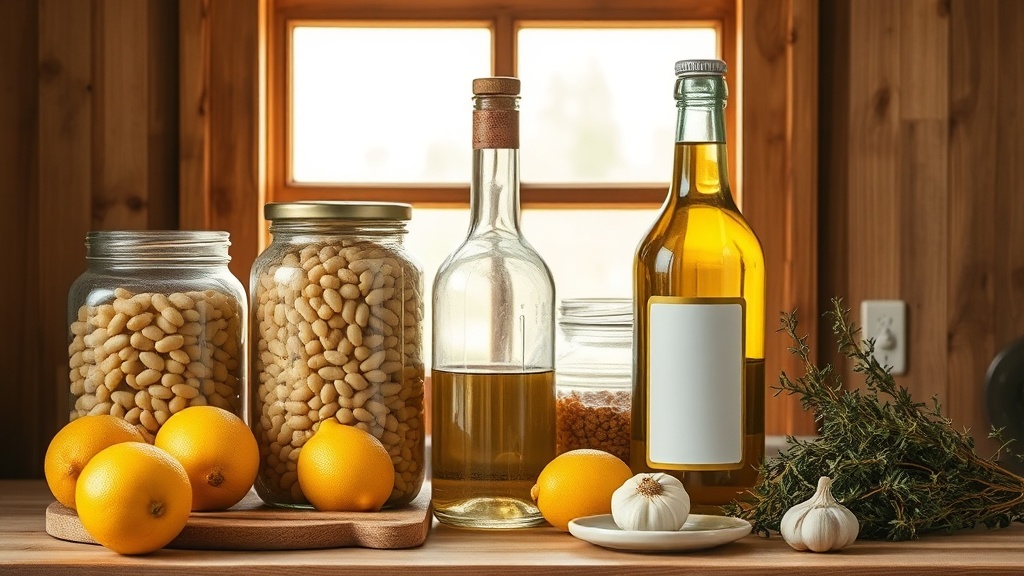
- Extra-virgin olive oil. The default cooking fat and the finishing touch that makes plain vegetables taste deliberate. Worth it: keep two bottles — an inexpensive one for the pan, a fresher, more peppery one for salads and drizzling. Dark glass, used within a few months of opening.
- Red wine vinegar. The house acid for dressings and bean salads. Cheap is fine; almost any supermarket bottle does the job.
- Lemons. Technically produce, practically a staple. Zest goes in early, juice goes in at the end. Buy a bag; they keep for weeks in the fridge.
Cans and jars that become dinner
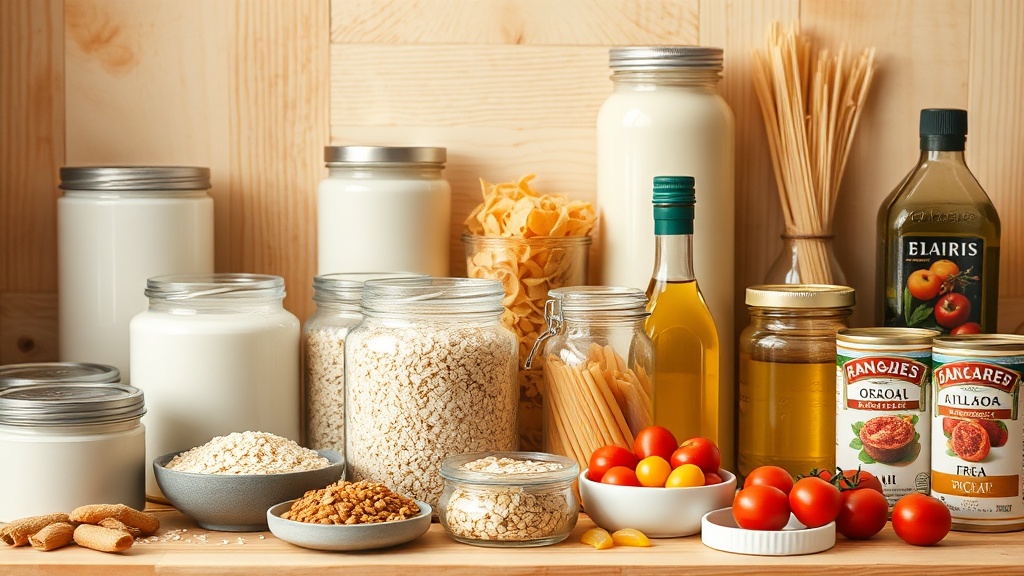
- Whole peeled tomatoes. The base of most sauces and stews. Worth it: a good Italian brand crushes better and tastes less tinny than the cheapest can — one of the few upgrades you can taste directly.
- Tomato paste. A spoonful, fried in oil for a minute, deepens almost any pot. The tube keeps better than the can.
- Chickpeas. Soups, salads, quick roasts, hummus. Canned is fine for nearly everything.
- Cannellini or other white beans. Creamier than chickpeas; mash them with olive oil and lemon for a five-minute spread. Cheap is fine.
- Dried lentils. Cook in twenty-odd minutes with no soaking, and are among the most useful inexpensive ingredients in any kitchen. Small green or brown for salads, red for soups.
- Tuna in olive oil. Oil-packed flakes into pastas and bean salads without turning to sawdust. Worth the small step up over water-packed.
- Anchovies. Two fillets melted into warm oil disappear as fish and stay as depth. A jar lasts months.
- Roasted red peppers. Jarred saves an hour of charring and peeling. Cheap is fine — rinse off the brine.
- Artichoke hearts. Straight into salads, pastas, and sheet pans. Jarred in oil tastes better than canned in water.
The briny shelf
- Olives. Kalamata for salads and braises, green for snacking and chopping into dressings. Worth it: olives with pits taste better than pre-pitted, and the extra work is minor.
- Capers. Sharp little punctuation for fish, chicken, and tomato sauces. Cheap jars are fine.
- Feta. Buy it in brine, in a block — it keeps far longer and tastes fresher than crumbles. Sheep's-milk feta is the noticeable upgrade.
- Parmesan. A wedge, grated as needed; the rind simmers into soups. Pre-grated is the corner you cut that you can taste.
- Sun-dried tomatoes. Chopped into grains and dressings for a concentrated tomato note. Oil-packed over dry.
Grains and things to put under things
- A short pasta and a long one. Cheap dried pasta is one of the best deals in the store; no upgrade needed for weeknights.
- Couscous. Five minutes from box to bowl. The quickest base in the pantry.
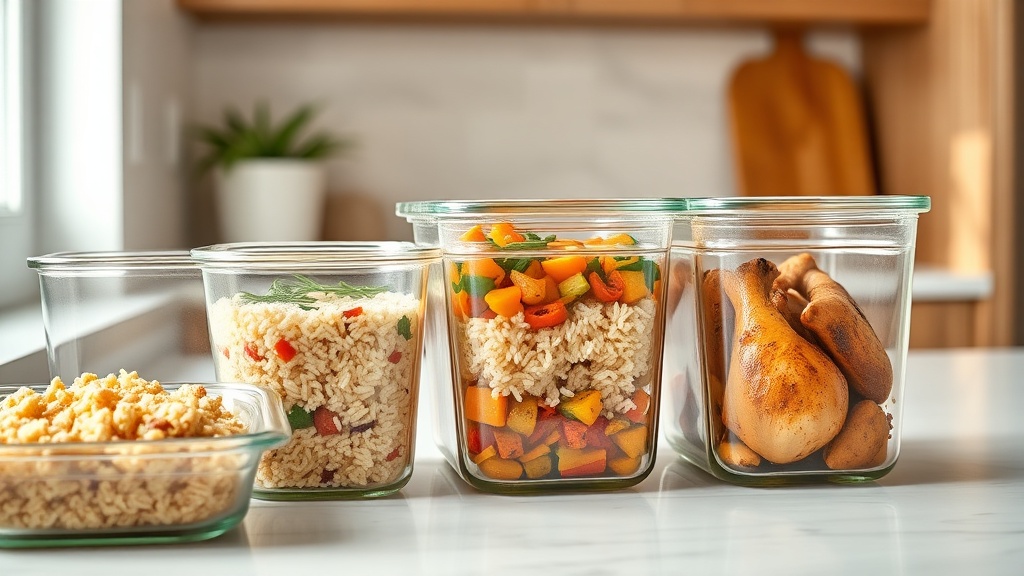
- Bulgur or farro. Chewy grains for salads and pilafs. Bulgur is faster; farro holds up better in the fridge, which makes it the batch-cooking grain of choice in our recipes.
- Orzo. Behaves like a grain, cooks like pasta, and turns a brothy pot into a meal.
Aromatics, spices, and the extras that earn their space
- Garlic and onions. The start of nearly everything. Fresh, always; the jarred versions taste like the jar.
- Dried oregano. The signature dried herb of the region. Worth it: Greek or Sicilian oregano sold on the branch is noticeably more fragrant than the dusty jar, and still cheap.
- Bay leaves. For every pot of beans and every braise. One jar lasts a year.
- Smoked paprika. Instant warmth for chickpeas, eggs, and roasted vegetables.
- Cumin. The bridge to the eastern and southern Mediterranean — beans, lamb, carrots.
- Red pepper flakes. Heat that stays in the background.
- Tahini. Sauces, dressings, a swirl into yogurt. Worth it: pale, pourable tahini from a dedicated brand is dramatically better than the stiff, bitter jars.
- Greek yogurt. Plain, whole-milk. Sauce base, marinade, breakfast.
- Honey. For dressings, and for drizzling over yogurt and feta alike.
- Walnuts or almonds. Toast them in a dry pan before using; it changes everything. Buy in bags, store in the freezer.
Where the money goes
If the budget is tight, spend up on exactly three things: the finishing olive oil, the canned tomatoes, and block feta in brine. Everything else on this list performs well at supermarket prices. Stocked once, this shelf turns most of the Mediterranean pattern into pantry cooking — restocking becomes a handful of items a month, not a weekly project.