Leftovers That Don't Feel Like Leftovers
Yesterday's dinner is already cooked, already paid for, and already in your fridge — which makes it the fastest lunch you own. The reason it so often gets passed over is not the food, it is the treatment: careless reheating, the same plate as last night, nothing fresh on top. This guide covers the ten minutes that change that.
Reheat properly: the pan beats the microwave
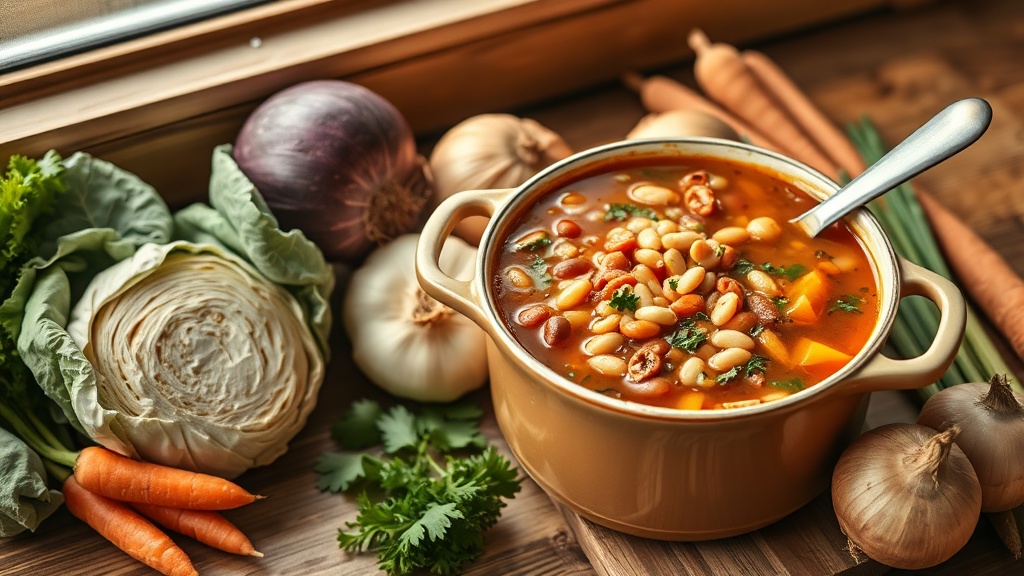
The microwave has one job — heating wet food fast — and it does it well. Soups, stews, curries, and braises come back happily in a microwave; stir once halfway so the middle catches up with the edges.
Almost everything else does better in a pan. Microwaves heat by steaming food in its own moisture, which is exactly what you do not want for anything that was ever crisp or browned.
- Roasted vegetables, fried rice, potatoes, and anything seared: a skillet over medium heat with a small slick of oil. Spread the food out, leave it alone for a minute or two, then turn. The browning comes back.
- Plain rice and grains: a skillet or pot with a splash of water and a lid. Two or three minutes of gentle steam and they loosen up without drying out.
- Breaded and baked things — schnitzel, roast chicken, pizza: a low oven or toaster oven. Slower, but the crust survives.
- Whatever the method, reheat until hot all the way through, not just warm at the surface.
The pan takes five minutes instead of two. Those three minutes are most of the difference between "leftovers" and "lunch".
Refresh with acid, herbs, and crunch
A night in the fridge flattens food. Seasoning dulls, fats settle, and everything drifts toward the same soft texture. The fix happens after reheating, not before.
- Acid first. A squeeze of lemon or lime, or a small splash of vinegar, wakes up nearly anything — grains, roasted vegetables, beans, chicken. Start small and taste.
- Fresh herbs, added at the end. Chopped parsley, cilantro, dill, or scallions make a reheated plate read as cooked-today. Herbs that went through the fridge inside the dish do not count; add new ones.
- Crunch, added last. Toasted nuts or seeds, croutons, crushed crackers, or something raw — sliced cucumber, radish, shredded cabbage. One crisp element against a soft base does more than any amount of reheating skill.
- Taste for salt. Cold storage mutes seasoning, so most leftovers want one more small pinch than you expect.
- A little fresh fat helps too: a thread of olive oil or a spoonful of yogurt where it fits.
Re-plate into a bowl
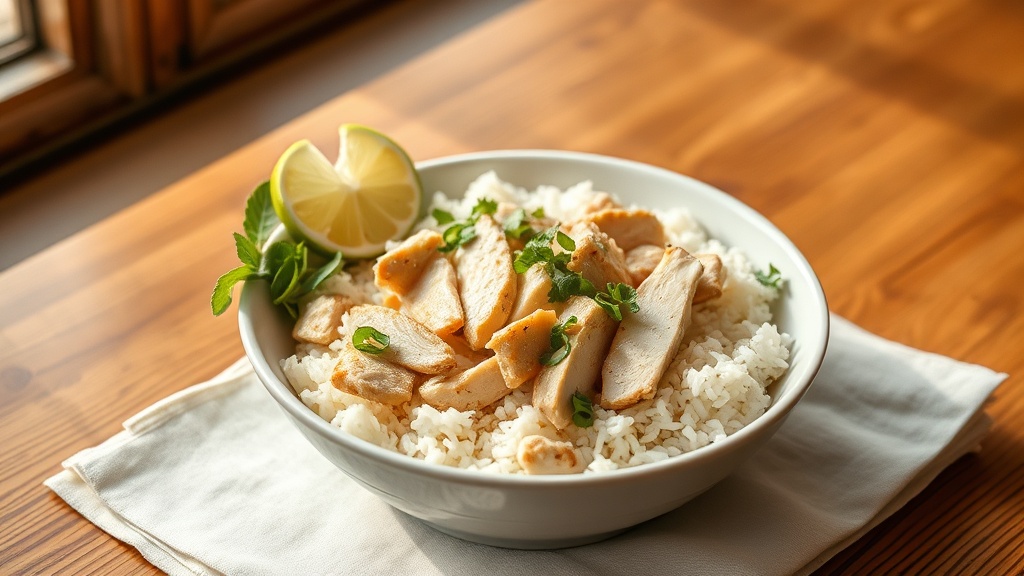
The strongest move is to stop serving leftovers as a smaller copy of last night's dinner. Change the shape and it becomes a new meal. The pattern is a base, a main, something fresh, and a sauce.
- Last night's salmon, flaked over rice with cucumber, fresh herbs, and a lime wedge.
- Roasted vegetables over dressed greens with a fried egg on top.
- Chili spooned over a baked potato instead of back into its own bowl.
- Stir-fry chopped smaller and folded through fresh noodles, or tucked into a wrap with something crisp.
Many of our recipes are written with this second life in mind — a tray bake that becomes a grain bowl, a roast that becomes a salad. The rule is always the same: keep the cooked part, replace the fresh part.
Store the parts separately
Tomorrow's lunch is decided by how tonight's dinner goes into the fridge.
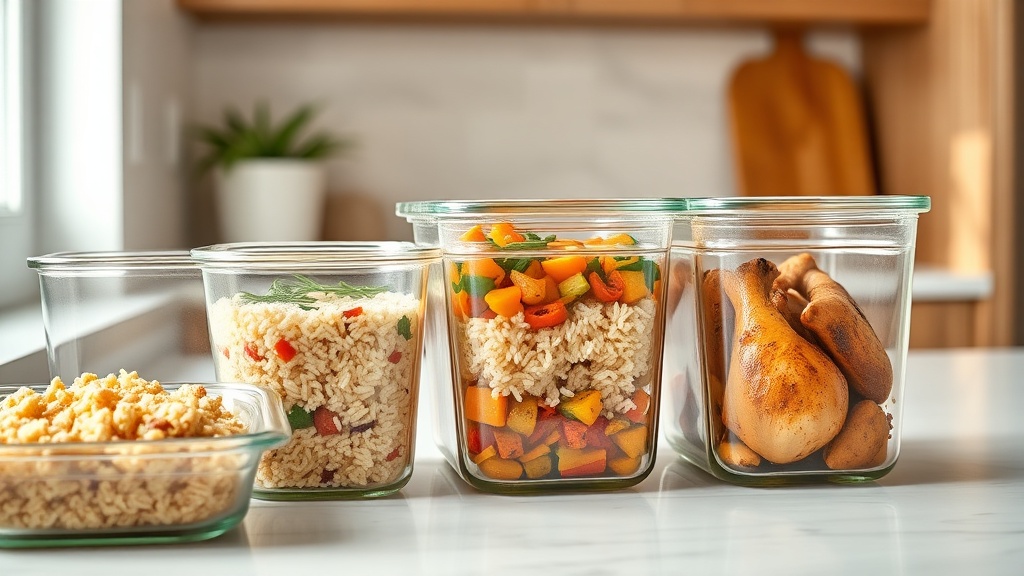
- Keep dressing off salad and sauce off grains. Dressed leaves wilt fast; sauced rice reheats gummy. Stored apart, both come back well.
- Keep crisp things out of the fridge entirely. Croutons, toasted seeds, fried shallots — a dry container on the counter.
- Cool food in shallow containers so it chills quickly, refrigerate promptly, and plan to eat it within a few days.
- Pack the bowl-in-waiting as parts: grain in one container, main in another, and the fresh element added on the day you eat it.
Plan the leftover on purpose
The best leftovers are not accidents; they are the second half of a decision. Doubling a pot of grains or a tray of roasted vegetables costs almost nothing while the stove is already on, and it hands you tomorrow's base for free.
Our weekly plans build this in — dinners deliberately sized to leave a lunch behind, with the refresh already thought through. If you want to see how that feels in practice before committing to a full week, the free plans are a low-stakes place to start.